
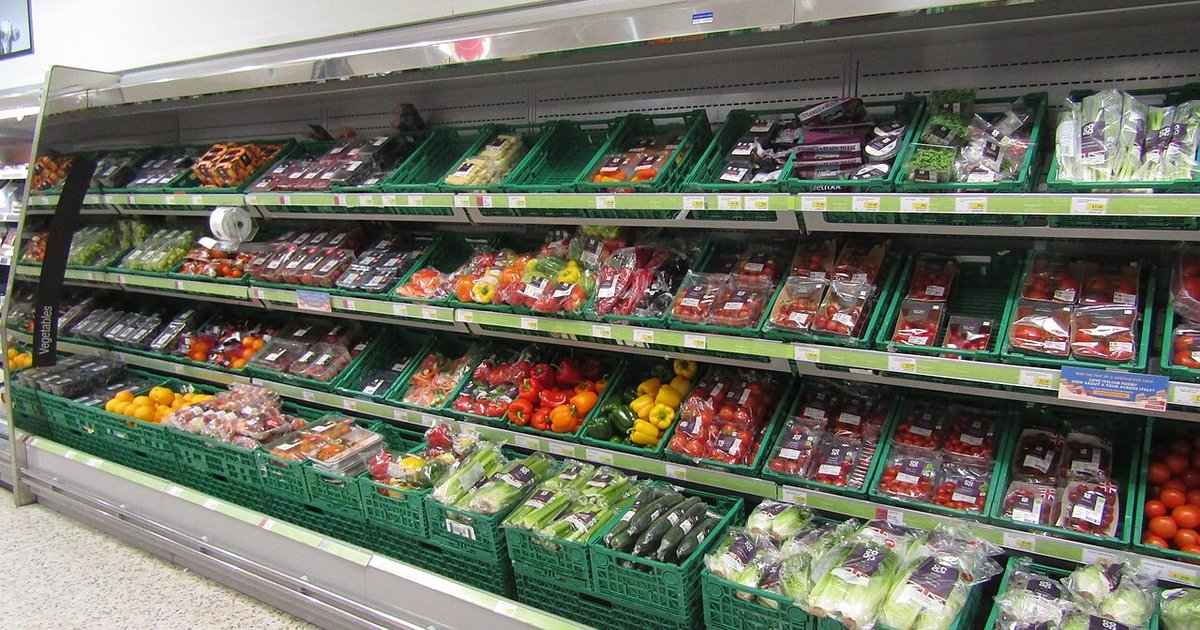
Food labels are packed with information, but between serving sizes, percentages, and long ingredient lists, they can feel more confusing than helpful. Learning to read them with a bit more confidence can make grocery shopping easier and support more informed everyday food choices, without needing to become an expert in nutrition science. A few key figures, checked consistently, are usually enough to make smarter comparisons at the shelf, without needing to overhaul your entire approach to grocery shopping or memorize complicated nutrition science.
The nutrition label typically starts with a serving size, which is worth checking first since all the other numbers are based on it. A package might look like a single serving but actually contain two or three, meaning the listed calories and nutrients would need to be multiplied accordingly to reflect what you're actually eating. This single detail trips up more shoppers than almost any other part of the label, since it's easy to assume the whole package equals one serving.
Rather than trying to memorize every detail, focusing on a few key figures — serving size, added sugar, and ingredient order — provides a solid foundation for making informed comparisons between similar products on the shelf. With a little practice, scanning these figures becomes almost automatic.
Over time, comparing labels becomes quicker and more intuitive, especially for foods you buy regularly. Taking a few extra seconds while shopping to glance at a label can help you make small, informed swaps that add up to a more balanced diet over time. Revisiting familiar products occasionally is also worthwhile, since manufacturers sometimes change recipes and nutrition figures without much notice. A little consistent attention to labels, more than any single perfect purchase, is what shapes a genuinely balanced pantry over time.

The Basics of Meal Planning for Busier Weeks When schedules get busy, healthy eating...
Read More
Everyday Habits That Support Heart Health Heart health is often associated with major...
Read More
Balancing Work and Rest: Avoiding Burnout Burnout doesn't usually happen overnight —...
Read More
How to Build an Exercise Habit That Lasts Starting a new exercise routine is often the...
Read More